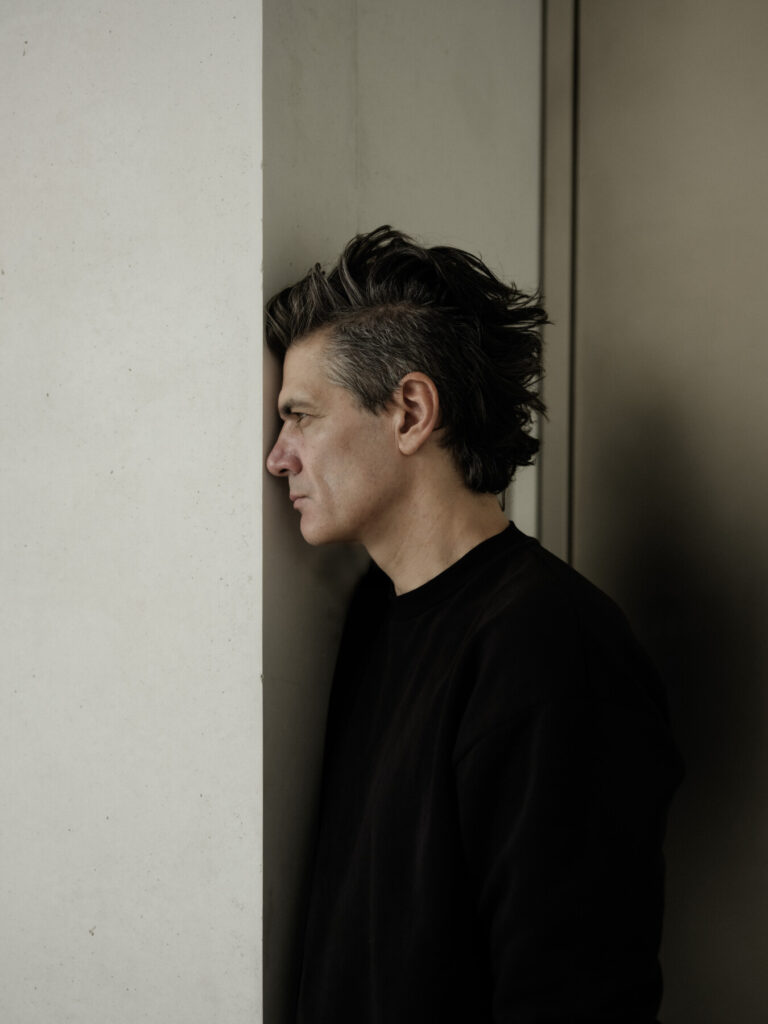
Håvard Skaset
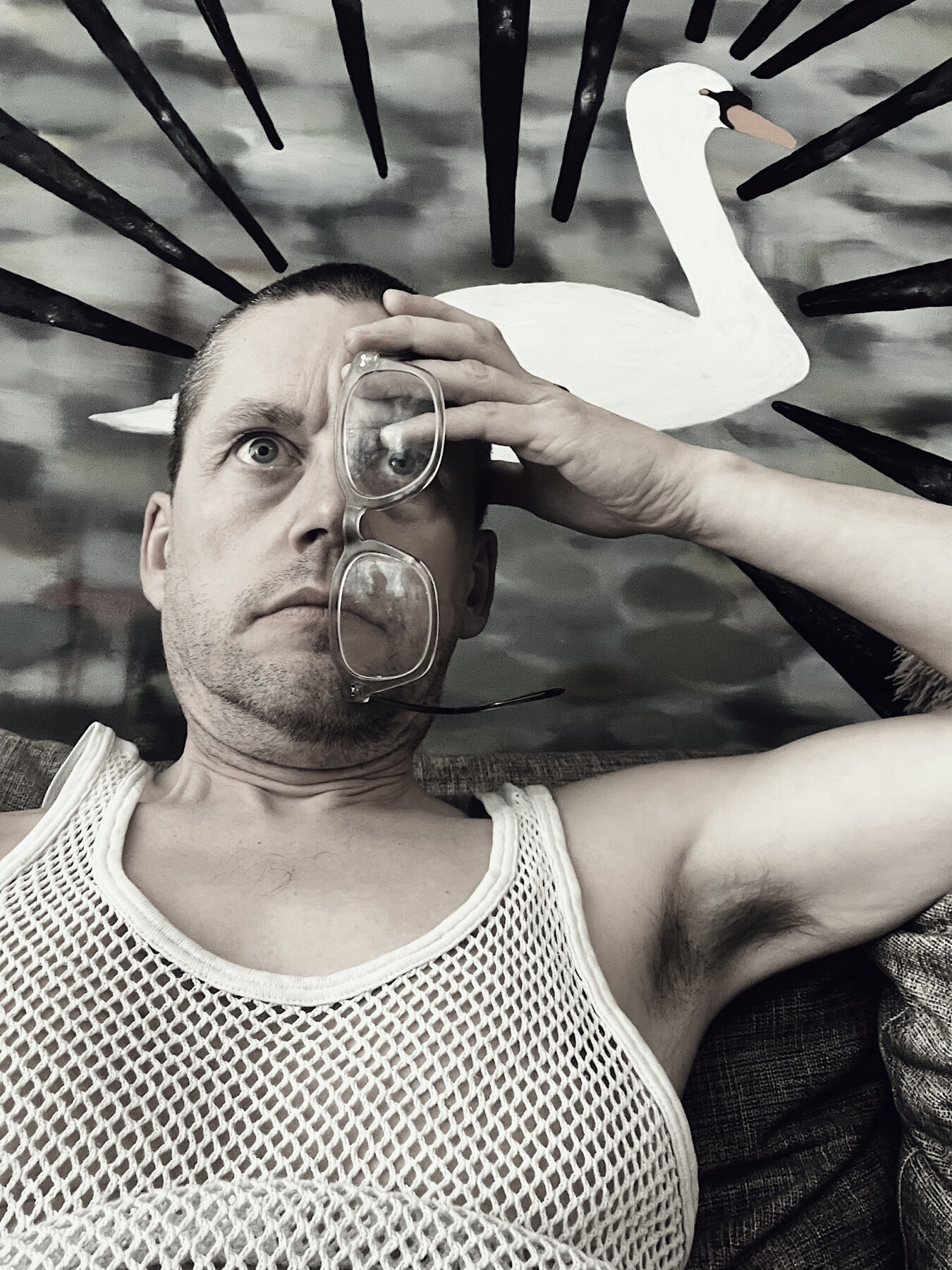
Håvard Skaset is a Norwegian guitarist and composer whose work has long been associated with experimental music, free improvisation, and radical approaches to sound. The central focus of his artistic practice is MoE, one of the most distinctive projects to emerge from the Norwegian experimental scene. Since its inception, the group—formed around the core collaboration between Guro S. Moe and Håvard Skaset—has developed a singular musical language situated between noise, improvisation, contemporary music, and heavy guitar-based forms.
Alongside his work with MoE, Skaset has pursued a wide-ranging practice encompassing improvised, electroacoustic, and acoustic music. He has collaborated with artists such as Camille Norment and Frode Gjerstad, and has been involved in projects including SULT and Truck Rurâl. An important aspect of his activity is also the creation of independent infrastructures for music and sound art. Together with Guro S. Moe, he runs Børsen Kulturhus in Norway—a space dedicated to artistic production, residencies, and experimental cultural projects.
Skaset’s musical development reflects a gradual departure from established instrumental and compositional conventions. Beginning with rock and thrash metal, he became interested in contemporary composition through the work of Stockhausen, Webern and Schoenberg, alongside various forms of jazz. His early exploration of these traditions led him to question the limitations of tonal organisation. The subsequent discovery of composers and musicians including Lachenmann, Scelsi, Fred Frith and Keith Rowe opened up alternative ways of thinking about musical material, instrumental technique and the organisation of sound.
In his approach to the guitar, Skaset consistently avoids elaborate processing systems, looping, and sampling, focusing instead on the direct relationship between gesture and sound. He treats the guitar as an instrument of almost unlimited sonic potential, capable of activating distant aesthetic territories and generating material through rhythm, frequency, and texture.
He has compared his approach to the way a DJ works with turntables—not by reproducing fixed forms, but through the continuous reconfiguration of energy and relationships between sounds.