Sienkiewicz / Piernikowski
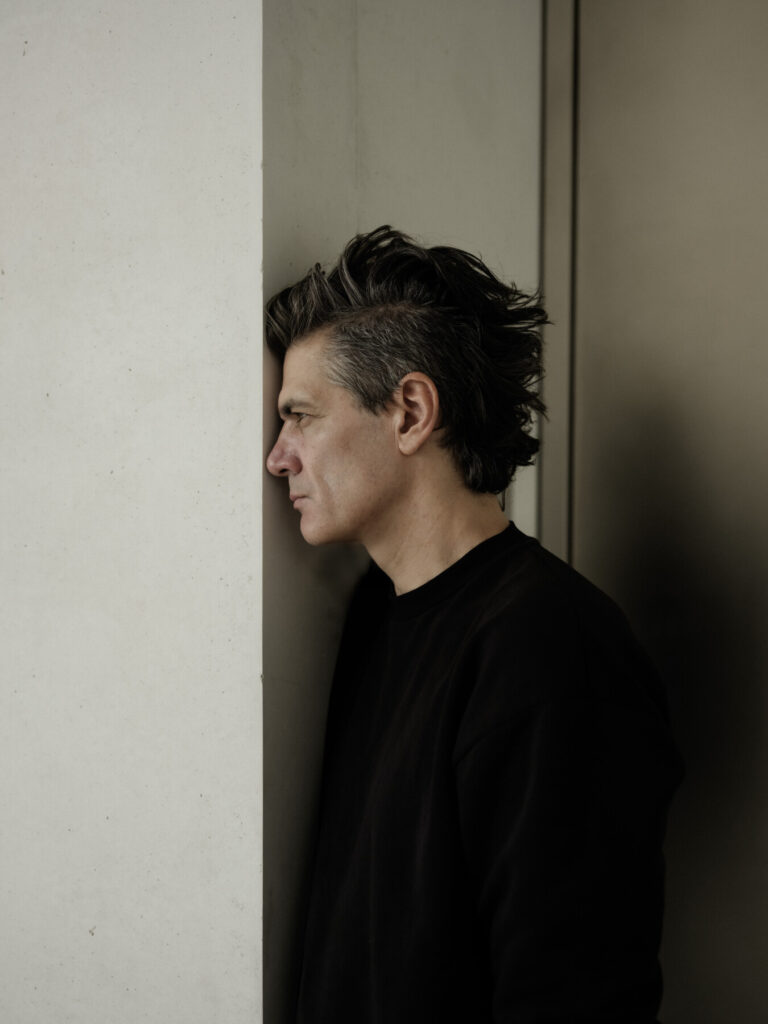
Robert Piernikowski is a music producer, composer, vocalist, lyricist, and performer. He is best known as one half of the duo Syny (alongside 1988, now 2K88), a group that reshaped the landscape of experimental music and rap in Poland. His solo work blends hypnotic beats with cold minimalism, dark ambient textures, and poetic narration—forming a distinctive sonic and lyrical language.
Piernikowski navigates freely across genres, from hip-hop and noise to electroacoustic experimentation. He has collaborated with a wide range of artists, including Marta Konarzewska, Antonina Nowacka, Eartheater, and Zbigniew Karkowski. His live shows often border on performance art—intense, stripped-down, and physically charged.
As one of the most singular voices on the contemporary Polish sound scene, Piernikowski’s work resonates with both club culture and critical art. His appearance at Sanatorium of Sound marks a return to the roots—to the raw energy and primal experience of sound as resistance, expression, and presence.
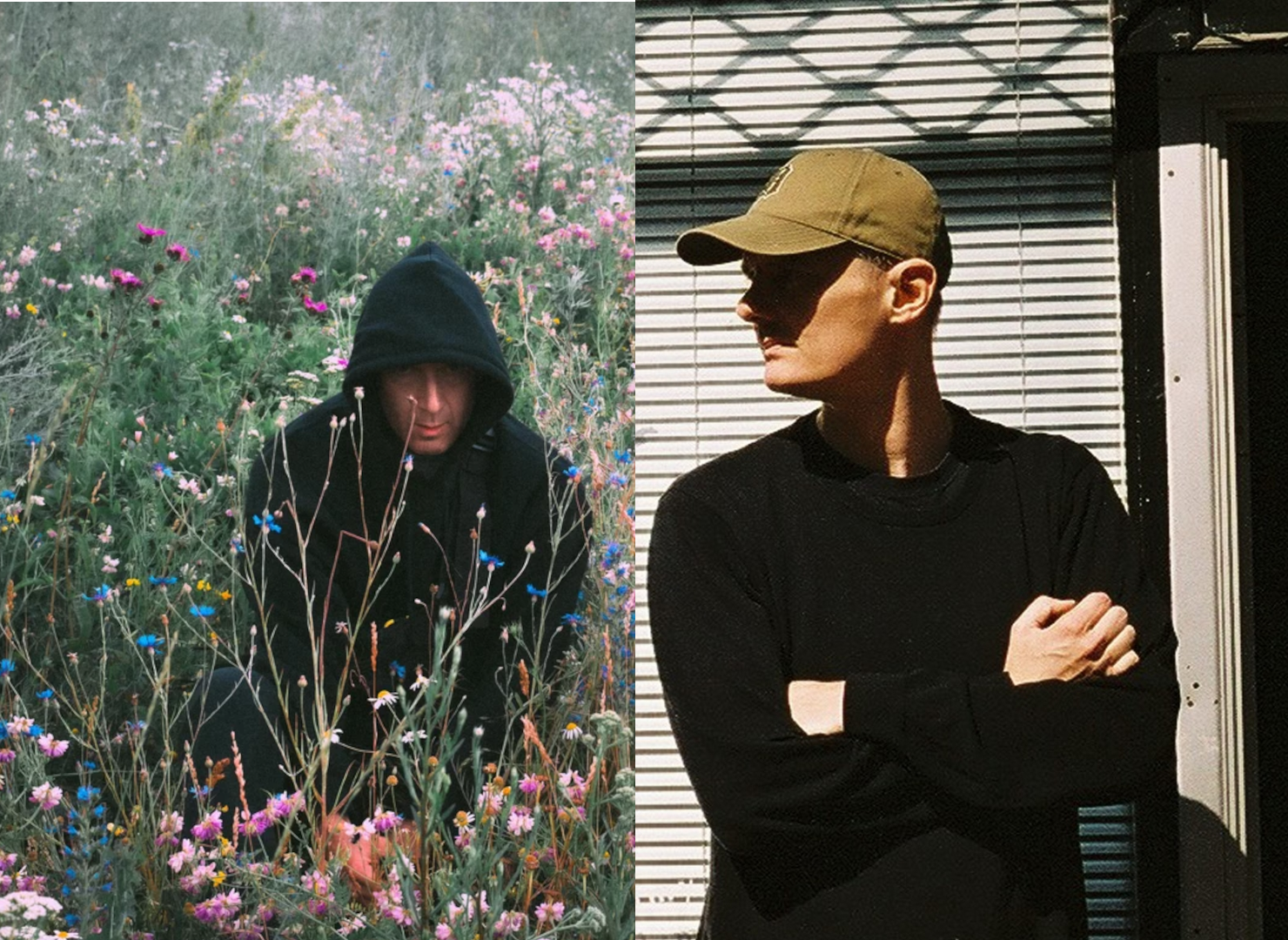
Jacek Sienkiewicz is a music producer, DJ, curator, and one of the key figures in the Polish electronic music scene. Since the late 1990s, he has been developing a distinctive sonic language that blends techno, ambient, electroacoustic experimentation, and philosophical reflections on the creative process. As the founder of the Recognition label, he has consistently promoted forward-thinking electronic music that transcends genre boundaries.
His discography spans club-oriented releases and conceptually driven albums, published by renowned labels such as Cocoon Recordings, as well as through collaborations with artists including Max Loderbauer, Atom™, Ricardo Villalobos, and Ryo Murakami. His work has been featured at major electronic and experimental music festivals, including Berlin Atonal, Unsound, Mutek, and the Instituto de Arte Audiovisual in Madrid.
Sienkiewicz approaches sound as both a tool for knowledge and a medium for dialogue. He is actively engaged in interdisciplinary projects at the intersection of music, philosophy, and contemporary art. His participation in Sanatorium of Sound reflects his long-standing interest in exploring space, time, and perception—not only as a musician, but also as an investigator of the potentials of contemporary sonic practice.