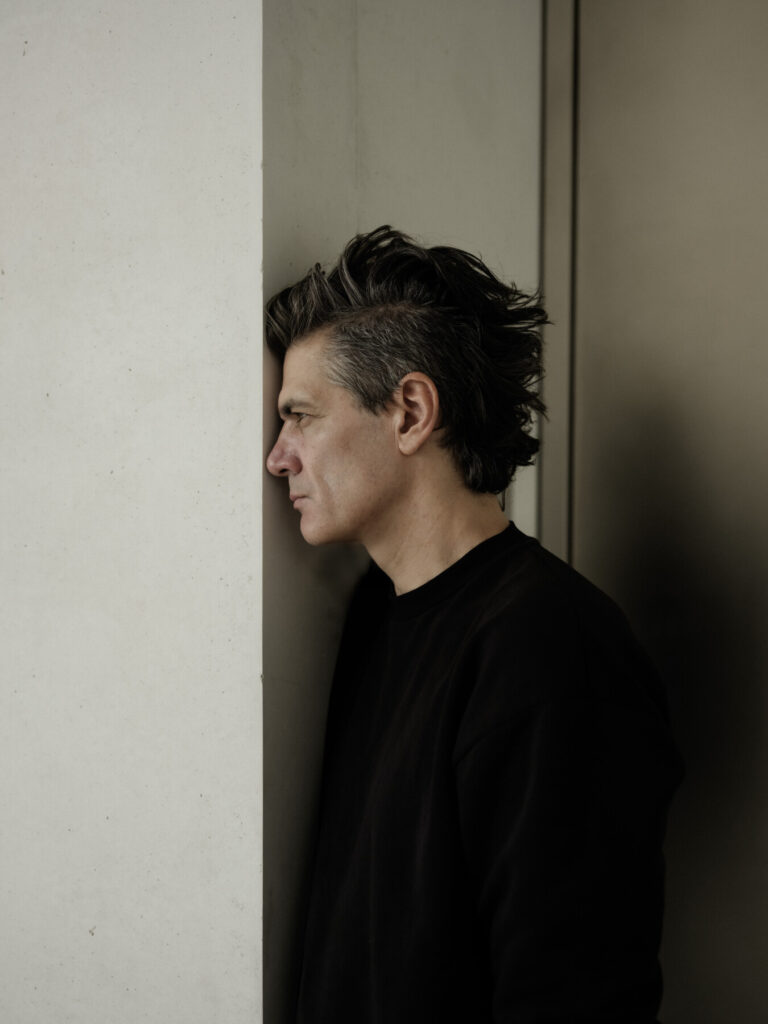
Brandon LaBelle
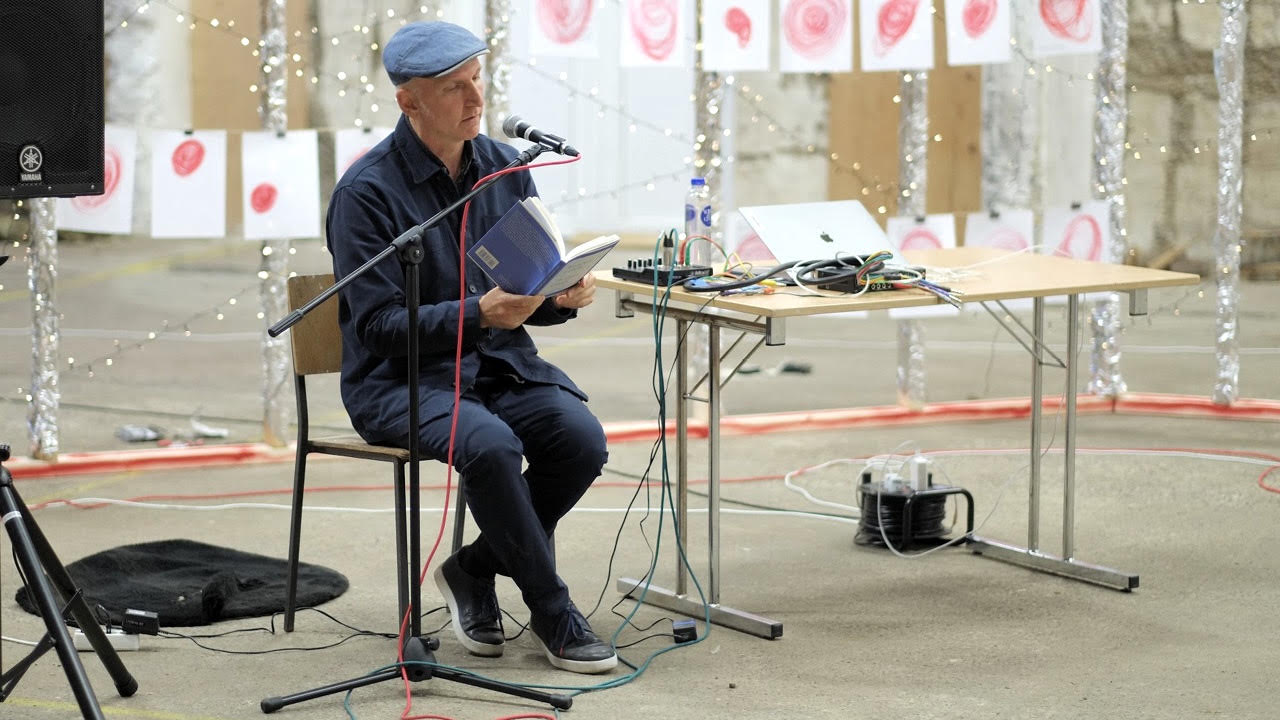
Brandon LaBelle is an artist, writer, and theorist whose practice revolves around questions of agency, commonality, poetics, and pirate culture. Working through situational and collaborative methodologies, he develops artistic and performative projects across diverse international contexts, most often in public space and in collaboration with others. His work encompasses performative installations, poetic theatre, collaborative situations, and research projects focused on experimental modes of community-making.
LaBelle’s practice ranges from intimate gestures grounded in proximity and listening to projects centred on critical forms of celebration and experimental pedagogy. At the core of his work are questions of how relationships and shared experience can be shaped through practices of co-presence, hospitality, and forms of action developed beyond established institutional frameworks. A significant part of his activity also consists of long-term initiatives created in collaboration with artists, collectives, and organisations, including The Listening Biennial and Listening Academy.
Alongside his artistic practice, LaBelle is active as a researcher and publisher. He is currently involved in the project MUTE (Soundscapes of Trauma: Music, Sound, and the Ethics of Witnessing), which explores the relationships between sound, memory, and the ethics of witnessing. Within this framework, he is developing the concepts of Negative Listening and Inner Archive. He is the author of numerous books on sound culture, voice, and listening practices, including Poetics of Listening (2025), Acoustic Justice (2021), Sonic Agency (2018), Lexicon of the Mouth (2014), Acoustic Territories (2010), and Background Noise (2006). He is also the founder of Errant Bodies Press.
Brandon LaBelle is also a participant in the research project Listening As Method, developed in collaboration with the Sanatorium of Sound festival. Further activities within the project are planned as part of the festival’s 2027 edition.
What does listening make possible in artistic practice, research, public space and politics? Listening as Method approaches listening as an active and situated practice through which knowledge emerges, relations are...