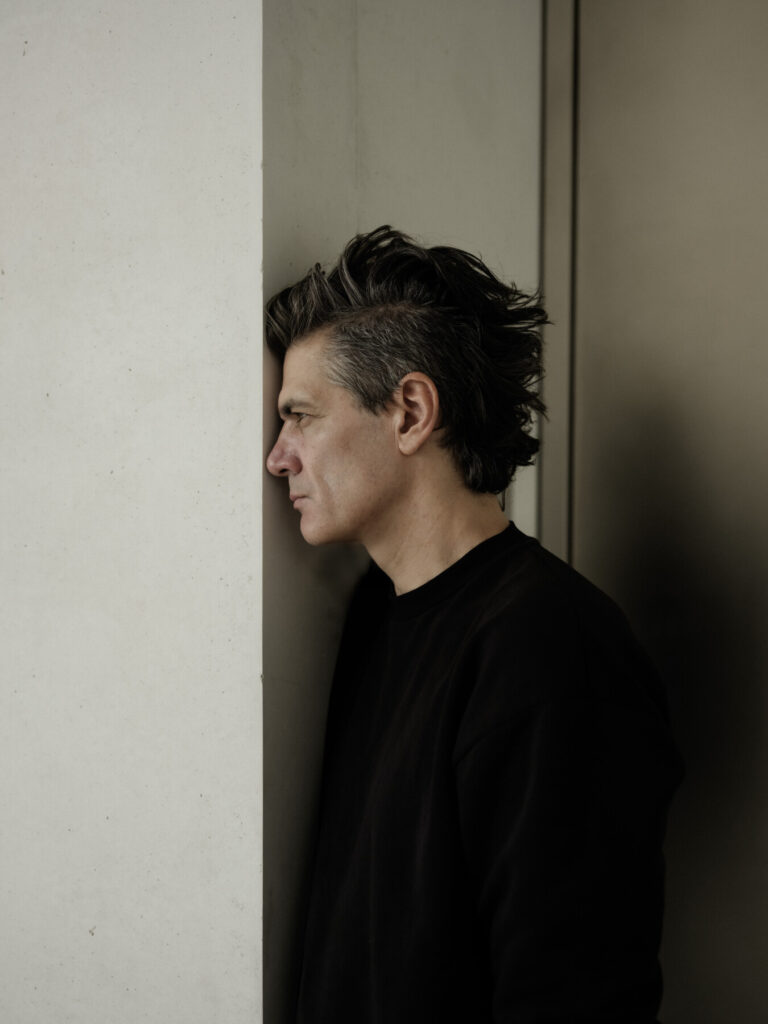
Rashad Becker
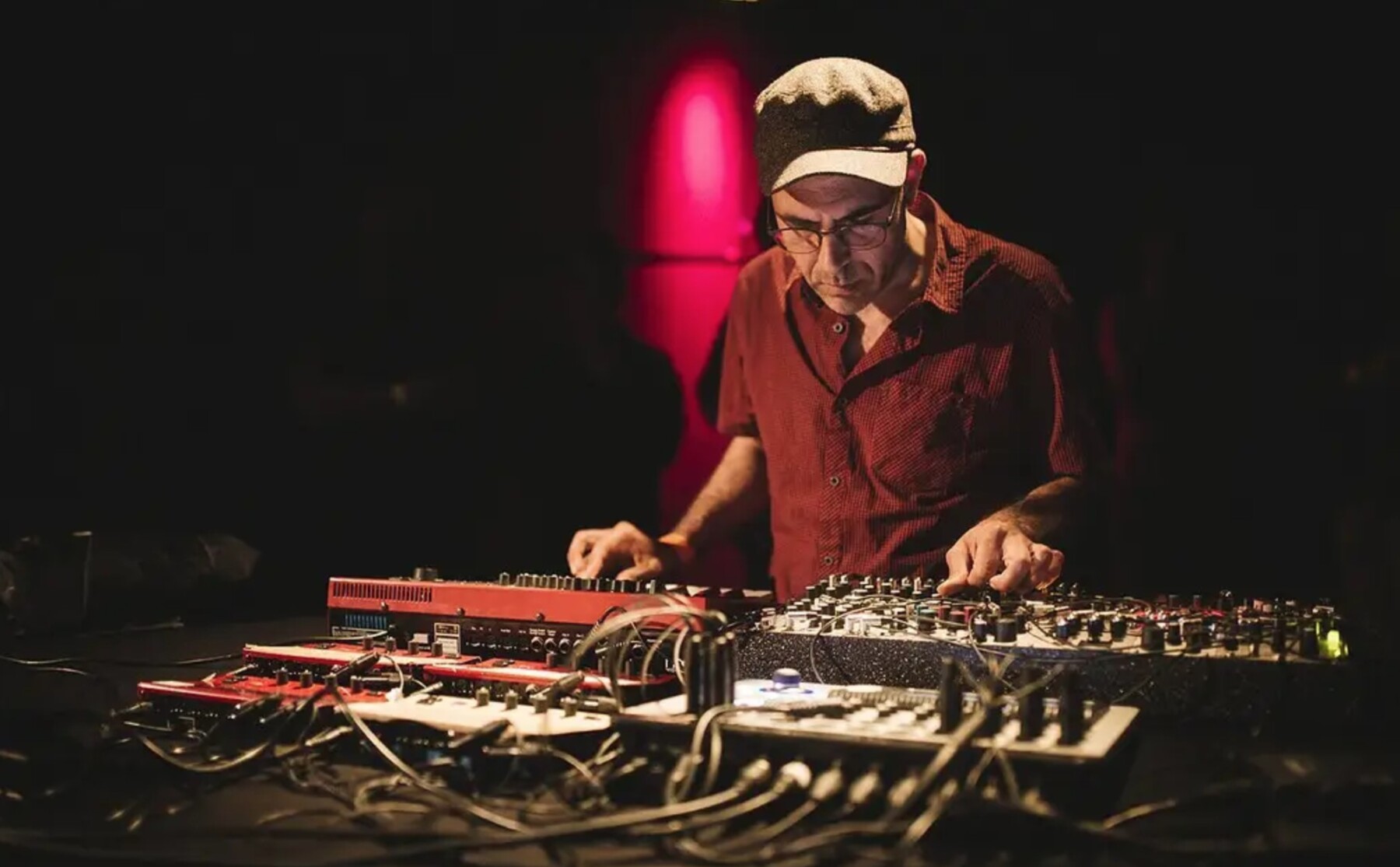
Rashad Becker is a German-Syrian sound artist, composer, and mastering engineer based in Berlin. Born in Syria and raised in Germany, he has developed a practice situated between composition, sound synthesis, spatial listening, and experimental approaches to shaping perception. His multicultural background and experience of navigating different listening cultures do not manifest in his work through quotation or reconstruction. Instead, his music reveals a distinct distance from the conventions of the Western musical imagination—not through explicit references to specific traditions, but through its organization of time, the relationships between sounds, and the creation of ambiguous acoustic environments.
For many years, Becker was associated with Berlin’s renowned Dubplates & Mastering studio, helping shape the sound of hundreds of electronic, experimental, and electroacoustic releases before establishing his own studio, Clunk. Alongside his mastering work, he has consistently developed a highly individual compositional language in which sound ceases to function as representation or as a carrier of established genre codes.
In Becker’s works, synthetic sounds acquire their own logic, agency, and internal dynamics, operating more as autonomous entities than as elements within a conventional composition. This approach is particularly evident in his acclaimed series Traditional Music of Notional Species, where music is organized not around themes or narrative structures, but through the coexistence and interaction of sonic “species” and events. Critics have described this aesthetic as evoking echoes of non-existent traditions and imagined musical cultures.
His concerts and installations unfold as dynamic acoustic environments in which listening becomes a spatial and performative experience. Rather than constructing linear forms, Becker creates situations built from micro-events, shifts in perception, and ambiguous relationships between the synthetic and the organic. A key aspect of his work is the dramaturgy of sound—not as narrative tension, but as the creation of conditions in which sound can reveal its own materiality, unpredictability, and presence.
Alongside his concert and recording activities, Becker also develops installations and performative projects. His work remains one of the most rigorous and influential examples of contemporary thinking about sound as an autonomous field of perception, transcending established boundaries between electronic music, composition, and sound art.